On September 12 and 13, 2026, a large number of Grab drivers in Vietnam called for a coordinated shutdown of the app to protest fees that have caused their income to drop significantly. This is not the first time; in December 2020, a similar wave erupted in Hanoi, and six years later, the story has repeated itself almost exactly.
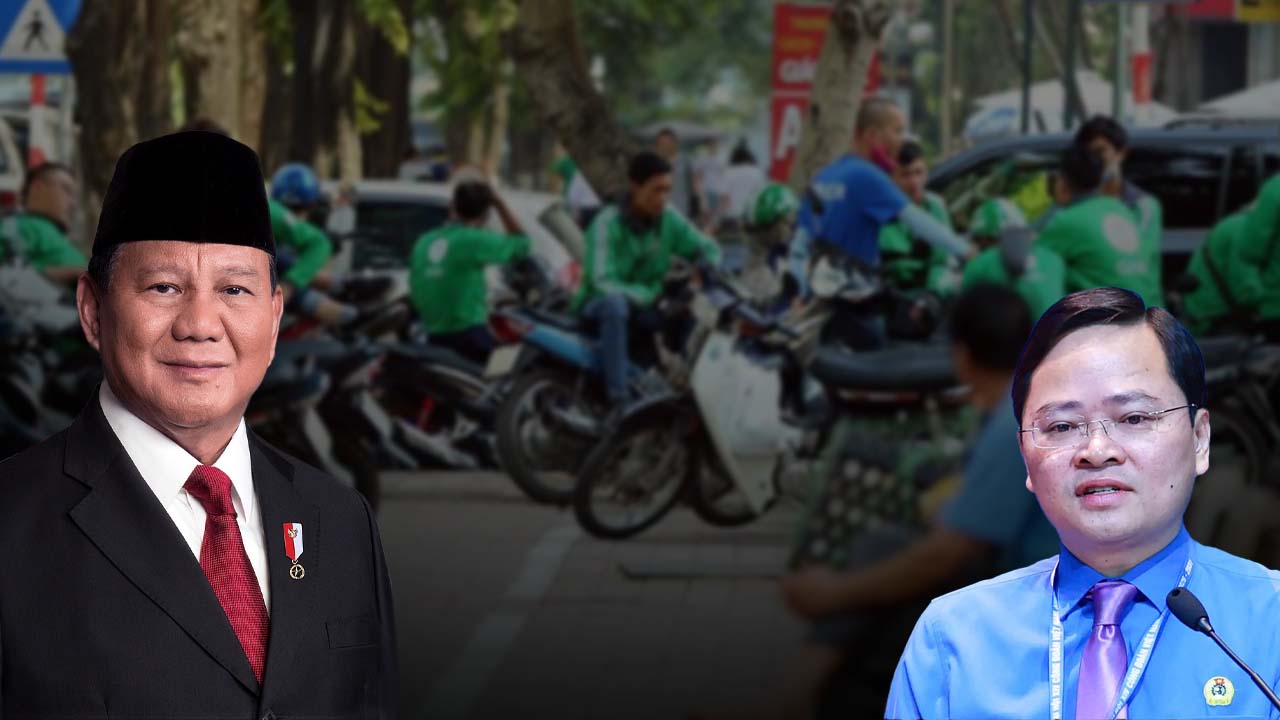
However, in recent days, amid the aforementioned strike movement by Grab drivers, the role of the government in protecting the interests of Grab workers is said to have been neglected by the Communist Party of Vietnam.
Public opinion points out that Article 4 of the Vietnamese Constitution clearly states: “The Communist Party of Vietnam—the vanguard of the working class and the working people—is the faithful representative of the interests of the working class and the working people of Vietnam.”
However, the response of the relevant authorities to the “spontaneous strike” movement reveals a lack of clarity in protecting the collective rights of Grap workers.
Furthermore, the absence of a genuinely independent professional labor union has left drivers completely on their own when facing transnational business platforms.
Although the National Competition Commission has requested that Grap explain its fare structure, this intervention is more of a routine administrative measure than an immediate effort to protect workers.
This incident highlights a global challenge, as Vietnam’s legal regulations have yet to keep pace with the business model