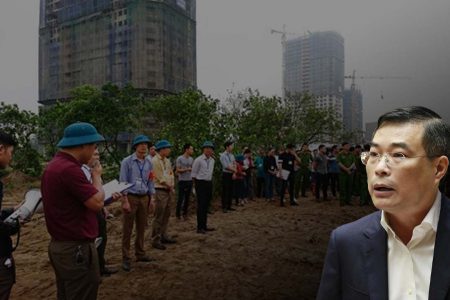
The phrase “100-year vision” has become a catchphrase in the statements of Vietnam’s leaders whenever they discuss major projects or national development strategies.
However, the reality on the ground is revealing a profound paradox between these grand, century-spanning declarations and the still-limited capacity for implementation.
Recently, on September 3, 2026, Nguyen Thanh Nghi, Head of the Central Committee’s Policy and Strategy Commission, officially unveiled the “Master Plan for Regional Development and National Spatial Organization.”
According to the plan, the long-term goal by 2045 is for Vietnam to successfully develop at least five cities of international stature, with Hanoi and Ho Chi Minh City serving as the two growth poles driving the entire economy.
However, just a few days after those “grand” strategic announcements, a series of infrastructure incidents poured cold water on Mr. Nghi’s ill-conceived ambitions.
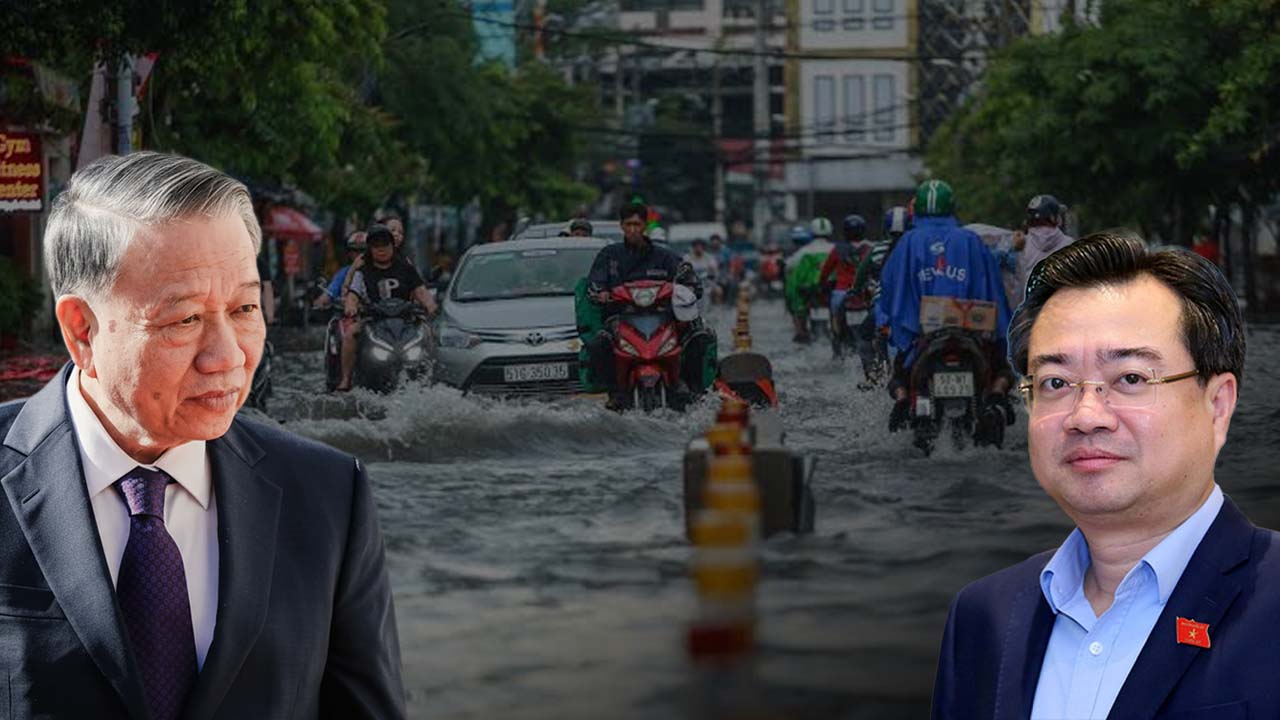
Specifically, on the evening of September 10, 2026, following a prolonged heavy rainstorm, the HC1-02 underpass at the An Phu interchange—a key transportation infrastructure project located at the gateway to Ho Chi Minh City—was severely flooded, rendering it impassable to vehicles.
The underpass was forced to close immediately, causing thousands of vehicles to back up onto the surface road, resulting in severe and prolonged traffic congestion and gridlock.
The incident was so serious that as of September 11, authorities were still mobilizing numerous m
Translated with DeepL.com (free version)